Boost Your Performance for the 2025 Triathlon Season: Shoes That Excelled at the 2024 Ironman 70.3 World Championship
Par Sarah Publié le 03/11/2025 à 19h01 — modifié le 02/11/2025 à 19h01 Temps de lecture : 3 minutes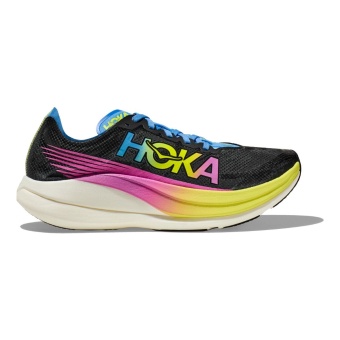
Introduction
The 2025 triathlon season is just around the corner, and if you’re aiming to enhance your performance, investing in the right footwear is crucial. The 2024 Ironman 70.3 World Championship showcased some of the most impressive shoes designed specifically for triathletes, merging comfort, speed, and support.
In this article, we will explore the shoes that stood out at the championship, and how they can help you reach your personal bests. From cutting-edge technology to athlete feedback, let’s unpack what makes these shoes top contenders for your 2025 training and race days.
Why Your Shoes Matter in Triathlon
The right shoes can dramatically impact your triathlon performance. Given that triathletes transition from swimming to cycling and then to running, a well-designed shoe is essential not only for comfort but also for efficiency. Here are some factors to consider:
- Weight: Lighter shoes can enhance speed without compromising stability.
- Cushioning: Proper cushioning supports long-distance running, reducing the risk of injury.
- Fit: An ideal fit can prevent blisters and discomfort during transitions.
- Breathability: Shoes that allow proper ventilation can keep your feet cool and dry, especially during warmer races.
Performance Shoes from the 2024 Ironman 70.3 World Championship
At the 2024 Ironman 70.3 World Championship, several shoes caught the attention of both athletes and observers. Here are our top picks for the best footwear options seen during the event:
Nike ZoomX Vaporfly NEXT% 2
The Nike ZoomX Vaporfly NEXT% 2 continues to shine as a favorite among elite triathletes. Featuring a carbon-fiber plate and ZoomX foam for optimal energy return, this shoe is designed for speed.
- Weight: 7.4 oz for men, 6.0 oz for women
- Cushioning: Responsive foam providing excellent comfort
- Fit: Form-fitting upper for minimal slippage during transitions
Hoka One One Carbon X3
For those who value cushioning without sacrificing speed, the Hoka One One Carbon X3 is an exceptional choice. Its early stage Meta-Rocker technology facilitates a smooth transition and helps maintain momentum.
- Weight: 8.9 oz for men, 7.6 oz for women
- Cushioning: Plush EVA foam for all-day comfort
- Fit: Breathable mesh upper for optimal airflow
Adidas Adizero Adios Pro 3
The Adidas Adizero Adios Pro 3 blends lightweight performance with stellar cushioning. The Lightstrike Pro midsole paired with their EnergyRods enhances the propulsion mechanism, decreasing energy expenditure on the run.
- Weight: 7.4 oz for men, 6.0 oz for women
- Cushioning: Responsive cushioning for long-distance events
- Fit: Race-oriented fit designed for speed
Saucony Endorphin Pro 3
Saucony’s Endorphin Pro 3 is celebrated for its racing pedigree, featuring a carbon-fiber plate and PWRRUN PB cushioning. Triathletes appreciated its dynamic performance during the championship, making it a solid option for the 2025 season.
- Weight: 7.2 oz for men, 6.2 oz for women
- Cushioning: Exceptional energy return
- Fit: Sleek design for reduced drag
Key Features to Consider When Choosing Triathlon Shoes
When looking for the perfect shoes for your triathlon training and racing, consider these essential features:
- Stability: Look for shoes that offer stability especially if you have a neutral gait or overpronate.
- Drop Height: The drop (difference in height from heel to toe) can affect your running mechanics; choose accordingly.
- Traction: Shoes with good traction help maintain grip on various surfaces, especially in wet conditions during transitions.
- Durability: Ensure the shoes can withstand lengthy training regimens and multiple races.
Transition Tips for Triathletes
A successful transition can save you valuable seconds during a triathlon, so practice is vital. Here are some tips to improve your transition times:
- Practice quickly slipping on your shoes to save time.
- Use elastic laces for an even faster fit.
- Keep your transition area organized – know where everything is and lay it all out logically.
Nutritional Considerations for Your Feet
Your feet are the foundation of your triathlon performance, so they need to be well taken care of. This includes proper nutrition. A balanced diet that includes:
- Carbohydrates: Ensure you have enough energy reserves.
- Proteins: Vital for muscle repair and recovery.
- Hydration: Stay hydrated to maintain optimal body function.
Final Thoughts
Choosing the right shoes can substantially elevate your triathlon game. The models highlighted from the 2024 Ironman 70.3 World Championship showcase an array of cutting-edge technology to meet the diverse needs of triathletes. As you gear up for the 2025 season, step into the right pair and notice the difference in your performance! For further insights, don't miss our article on the impact of minimalist shoes on triathletes and trail runners’ performance.
🧠 FAQ - Triathlon Shoes
❓ What features should I look for in triathlon shoes?
Look for lightweight construction, a secure fit, proper cushioning, and good traction to enhance performance and comfort.
❓ Do I need different shoes for training and racing?
While you can use the same shoe for both, having a separate pair specifically for racing can help you optimize performance.
❓ Are there shoes recommended for beginners?
Absolutely! Look for shoes with good cushioning and stability to provide comfort and support as you build your endurance.
❓ How do I properly break in my triathlon shoes?
Start by wearing them for shorter training sessions, gradually increasing duration and intensity to avoid injury.
❓ Should I be concerned about shoe weight?
Weight matters, especially in long-distance events. However, balance weight with adequate cushioning to avoid discomfort.
❓ How often should I replace my running shoes?
Typically, running shoes should be replaced every 300 to 500 miles. However, pay attention to wear patterns and comfort signs.