The Importance of Bicycle Adjustment for Endurance Athletes
Par Sarah Publié le 14/11/2025 à 07h02 — modifié le 13/11/2025 à 07h02 Temps de lecture : 3 minutes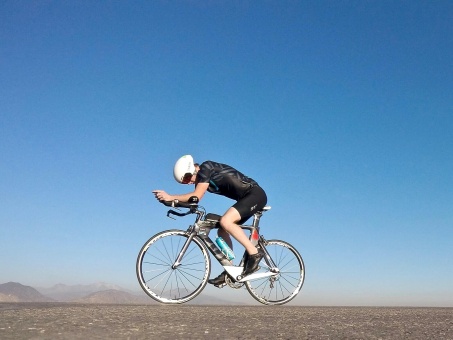
Introduction
Bicycle adjustment is a crucial step for achieving an ideal, efficient, and comfortable ride. Whether you're a beginner cyclist exploring the world of endurance sports or a seasoned triathlete preparing for your next big race, understanding how to properly adjust your bicycle can significantly enhance your performance and enjoyment on the road.
Why Bicycle Adjustment Matters
Proper bicycle adjustment not only enhances your performance but also helps prevent injuries, improves comfort, and optimizes your power output. Here are some key reasons why you should prioritize bicycle adjustments:
- Injury Prevention: An improperly fit bicycle can lead to discomfort, pain, or even injuries over time. Adjusting the components of your bike to suit your body can reduce the risk of overuse injuries.
- Improved Efficiency: A well-fitted bike allows for better aerodynamics, which is essential for endurance races, reducing drag and allowing you to conserve energy.
- Enhanced Comfort: Spending hours on the saddle necessitates maximum comfort. Proper adjustment ensures that you can maintain a balanced and relaxed position.
- Optimal Power Output: Proper adjustments leave no power wasted, allowing for more effective transfer of your energy into speed.
Key Adjustments for Your Bicycle
Here are the critical areas you should focus on to ensure your bicycle is adjusted to your personal physiology and intended usage:
1. Saddle Height
Getting your saddle height right is perhaps one of the most important adjustments to make. An appropriate saddle height allows for an efficient pedal stroke while minimizing knee strain. A general rule of thumb for determining the correct height is:
- Put on your cycling shoes and sit on the saddle.
- With one pedal at the lowest point, your knee should be slightly bent (about 25-30 degrees).
- When your heel is on the pedal, your leg should be fully extended.
Adjust your saddle height accordingly, taking into consideration your comfort and riding style.
2. Saddle Fore-Aft Position
The fore-aft position of your saddle affects your power output and comfort. If the saddle is too far forward, it puts pressure on your knees; too far back can reduce power output and stamina. Adjust it so that when your pedals are parallel to the ground, your knee cap is directly above the pedal axle.
3. Saddle Angle
The angle of your saddle can make a significant impact on your comfort level. Ideally, the saddle should be level with the ground, though some riders may prefer a slight downward tilt for more comfort and better positioning. Test different angles while riding to see what feels best for you.
4. Handlebar Height and Reach
Handlebar height and reach can drastically impact your riding experience relating to posture and efficiency. When adjusting your handlebars, consider:
- Height: Higher handlebars keep your back straighter, promoting comfort-ideal for endurance rides. Lower handlebars might require more flexibility but can provide aerodynamic benefits.
- Reach: Your handlebars should be within comfortable reach, allowing your elbows to slightly bend. Too far can strain your back, while too close can restrict breathing.
5. Chain and Gear Adjustment
Ensure your bike's gears are properly adjusted to allow smooth shifting without grinding or skipping. Maintain proper tension on the cables and check your derailleur adjustments regularly to prevent performance issues during rides.
The Role of Tech in Bicycle Adjustment
In today’s technology-driven world, various tools can assist you in making precise adjustments. These include:
- GPS and Smart Devices: Track your ride statistics and performance analytics to determine fitter setups.
- Bicycle Fit Systems: These systems use lasers and sensors to analyze your riding position and make suggestions for adjustments.
- Apps: Many smartphone applications provide guidance on adjustments based on your riding style.
Adjustment Tips for Riding in Different Conditions
Endurance athletes often encounter varying weather and road conditions. Making small adjustments can help optimize performance based on circumstances:
- For Road Riding: Adjust saddle height for speed and aerodynamics.
- For Trail Riding: Ensure a slightly lower saddle to better handle obstacles.
- In Wet Conditions: Choose wider tires and set the saddle for a low position to maintain balance.
The Importance of Regular Maintenance
Even with the perfect adjustments, your bike requires regular maintenance to ensure performance remains optimal. Aim for regular check-ups to inspect the adjustments you’ve made and address any wear-and-tear:
- Routine cleaning of components.
- Regularly inspect cables and housing.
- Frequent tire pressure checks to ensure optimal performance.
Conclusion
Effective bicycle adjustment is more than just fine-tuning; it’s about creating an optimal riding experience that supports your endurance goals. By focusing on adjustments that enhance your comfort, efficiency, and performance, you can enjoy long rides without the distraction of discomfort or pain. Regularly evaluate your fit and make necessary changes as your body and fitness evolve.
Final Thoughts
Investing time in bicycle adjustment can pay off significantly in race performance and overall enjoyment. Whether you’re training for a triathlon or tackling a long-distance cycling event, ensure that you prioritize the fit and feel of your bicycle.
🧠 FAQ - Bicycle Adjustment
❓ Why is bicycle adjustment important?
Bicycle adjustment is important as it enhances comfort, prevents injuries, and improves performance through efficient power transfer and aerodynamics.
❓ How do I know if my saddle height is correct?
To check saddle height, sit on the saddle and place one pedal at the lowest point. Your knee should be slightly bent, and when your heel is on the pedal, your leg should be fully extended.
❓ What is the best way to determine saddle angle?
The ideal saddle angle can vary by preference, but it should generally be level with the ground. Experiment with slight tilts to discover your most comfortable position.
❓ How often should I adjust my bicycle?
You should regularly check and adjust your bicycle according to your comfort and performance needs. It's advisable to reevaluate your fit after significant training changes.
❓ Can technology help with bike adjustments?
Yes, various technologies, such as virtual fitting platforms and smartphone applications, can guide you through precision adjustments for your bicycle.
❓ What maintenance practices should I follow for my bike?
Regular maintenance should include cleaning components, checking cables, and inspecting tire pressure to ensure your bike remains in optimal condition.