The Complete Bike Touring Gear Checklist
Par Sarah Publié le 25/11/2025 à 07h01 — modifié le 24/11/2025 à 07h01 Temps de lecture : 3 minutes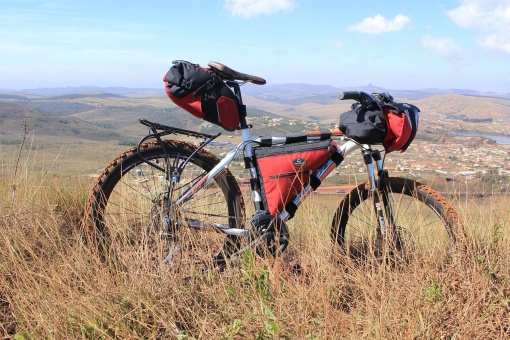
Introduction
Embarking on a bike touring adventure is an exhilarating experience, combining the joys of cycling with the thrill of exploration. However, proper preparation is key to ensuring your journey is as enjoyable as it is unforgettable. Whether you're planning a weekend getaway or an extended expedition, having the right gear can make all the difference.
This comprehensive bike touring gear checklist covers everything you need to prepare for your next adventure, considering various aspects such as safety, comfort, hydration, and navigation.
Essential Bike Touring Equipment
1. The Bicycle
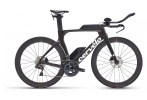
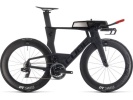
- Touring Bicycle: Consider a sturdy bike designed for touring, such as a hybrid or a road bike with a comfortable geometry that can accommodate a variety of terrains.
- Set of Panniers: Opt for lightweight, waterproof panniers that securely attach to your bike and can carry your basic necessities.
- Repair Kit: Essential repair items include tire levers, a multi-tool, a spare tube, and a mini-pump. Regular maintenance ensures running parts work smoothly and efficiently.
2. Safety Gear
- Helmet: A properly fitted helmet is crucial for your safety.
- Reflective Gear: To improve visibility, especially during twilight rides. Invest in a reflective vest or bands that can easily attach to your clothing.
- Lights: Front and rear lights are non-negotiable for night riding. Rechargeable or battery-operated options are available.
- First Aid Kit: A small, portable first aid kit that includes basic supplies can help in case of minor injuries.
Comfort and Convenience Items
1. Clothing
- Cycling Shorts: Invest in high-quality padded shorts for added comfort during long rides.
- Moisture-Wicking Shirts: Opt for breathable, lightweight fabrics that wick sweat away from the body.
- Jacket: A lightweight, packable jacket that offers protection against wind and rain will serve you well.
- Gloves: Padded cycling gloves improve grip and prevent hand fatigue.
2. Hydration
- Water Bottles: Durable, insulated bottles ensure you stay hydrated in various conditions.
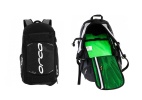
- Hydration Pack: For those who prefer hands-free hydration, consider a hydration pack, especially for long-distance tours.
3. Nutrition
- Energy Bars: Quick snacks such as energy bars or gels are vital for maintaining energy levels.
- Nut Butter Packs: They provide healthy fats and protein, perfect for long rides.
Navigation and Communication
1. Navigation Tools
- Maps and Apps: Have a paper map as a backup and consider using cycling apps such as Komoot or Strava for navigation.
- Smartphone: A smartphone with GPS can greatly assist in finding your way and also double as a communication device.
2. Communication Devices
- Portable Battery Charger: Ensure your devices stay charged for the entirety of your trip.
Camping and Overnight Gear
1. Sleeping Gear
- Sleeping Bag: Choose a lightweight, packable sleeping bag suitable for various weather conditions.
- Sleeping Pad: A compact and comfortable sleeping pad will enhance your rest during your journey.
2. Cooking Gear
- Portable Stove: A compact camping stove, preferably a lightweight model, allows you to prepare warm meals.
- Cookware: A lightweight pot and a set of utensils are essential for cooking on the go.
- Food Storage: Sealed containers can help keep your food fresh and safe.
Technology and Gear
1. Performance Gear
- Cycle Computer: Track your performance metrics, including speed and distance, with a reliable cycle computer.
- GPS Device: A dedicated GPS unit can provide accurate navigation without draining your smartphone battery.
2. Photography Gear
- Action Camera: Capture your adventure with a lightweight camera, perfect for documenting scenic routes.
Injury Prevention and Recovery
1. Recovery Tools
- Foam Roller: A portable foam roller can help relieve muscle tightness after long rides.
- Stretch Bands: These are excellent for maintaining flexibility and aiding in injury prevention.
2. Proper Footwear
- Cycling Shoes: Properly fitted cycling shoes improve pedaling efficiency and prevent discomfort.
Wrapping Up
This gear checklist is designed to cover most scenarios you'll encounter while bike touring. Adjust the list according to your specific needs and the environment you'll be cycling through. Remember, gear quality can significantly impact your experience, so invest in reliable options that will last through many adventures.
As you prepare for your journey, ensure you stay flexible and enjoy the experience as much as the destination itself. Happy cycling!
🧠 FAQ - Bike Touring Gear
❓ What is the most important gear for bike touring?
The most essential gear for bike touring includes a reliable touring bike, a well-fitted helmet, and a good repair kit. Comfort during the ride is also essential, so invest in quality cycling shorts and padded gloves.
❓ How do I choose the right panniers for my bike tour?
Choose panniers that are lightweight, waterproof, and have enough storage for your essentials. Ensure they fit securely on your bike and can withstand the conditions of your route.
❓ How can I stay safe while bike touring?
Wear a helmet, use reflective gear, and equip your bike with front and rear lights. Always stay aware of your surroundings and use navigational tools to avoid accidents.
❓ What type of clothing should I wear for bike touring?
Wear moisture-wicking, breathable clothing and invest in padded cycling shorts. Layering is key; choose lightweight jackets for variable weather conditions.
❓ How should I hydrate while on a long bike tour?
Carry multiple water bottles or a hydration pack. It’s vital to drink regularly—aim for 500-750 mL every hour, especially during hot weather.
❓ Can I use my regular bike for touring?
You can use a regular bike for touring, but a touring-specific bike is designed to handle heavier loads and rougher terrains. Consider the type of tour you are planning when choosing your bike.