Comprehensive Buying Guide for Hiking Backpacks
Par Sarah Publié le 19/11/2025 à 19h01 — modifié le 18/11/2025 à 19h01 Temps de lecture : 3 minutes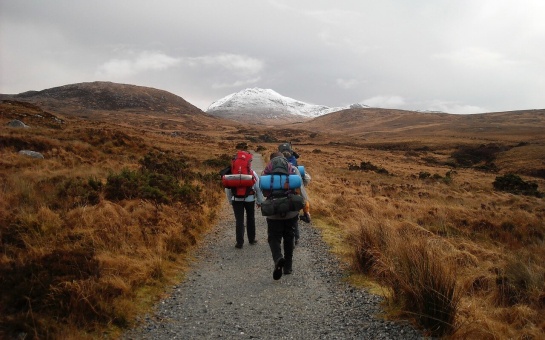
Introduction
Hiking is one of the most rewarding ways to experience the great outdoors, but a successful adventure largely hinges on having the right gear. One of the most crucial pieces of equipment for any hike is your backpack. It carries not just your gear but also provides comfort and support throughout your journey. This comprehensive buying guide will walk you through everything you need to consider when choosing the perfect hiking backpack.
Types of Hiking Backpacks
Not all hiking backpacks are created equal. Understanding the different types available will help you select one that meets your specific needs:
- Daypacks: Designed for short hikes, generally 1-day excursions, with a capacity of 15-30 liters. Ideal for minimal gear.
- Weekend Packs: Great for 2-3 days of hiking, these packs typically hold 30-50 liters, offering more storage for food, clothing, and gear.
- Multi-Day Packs: For extended trips lasting more than three days, these packs can range from 50-80 liters, featuring more compartments and support options.
- Technical Packs: Tailored for specialized activities like climbing or mountaineering, including features such as gear loops, and reinforced areas.
- Hydration Packs: Compact and equipped with a hydration reservoir, perfect for short hikes where you want to drink on the go.
Key Features to Consider
In addition to the type of backpack, various features can significantly influence your hiking experience:
1. Capacity
Capacity is often measured in liters. Selecting the right size is critical; too small, and you’ll struggle to fit your gear; too large, and you risk carrying excess weight:
- 15-30 liters: Ideal for day hikes
- 30-50 liters: Suitable for overnight trips
- 50-80 liters: Best for multi-day excursions
2. Fit and Comfort
A proper fit is paramount. Look for adjustable straps and a hip belt that helps distribute the weight of the pack evenly. Consider the following:
- Torso Length: Pay attention to whether the backpack is suited for your torso length.
- Hip Belt: A well-padded hip belt will enhance comfort and stability.
- Suspension System: Ensure it has a good suspension system to improve weight distribution and ventilation.
3. Material and Durability
Durability is especially important if you plan on hiking rugged terrains. Look for packs made from high-quality nylon or polyester, which are easy to clean and maintain:
- Nylon: Offers excellent abrasion resistance.
- Polyester: Generally lighter but can be less durable than nylon.
4. Weather Resistance
If you’ll encounter rain or moisture on your hikes, look for a backpack with a water-resistant coating or a rain cover. Many specialized hiking packs also feature waterproof materials.
5. Organization and Accessibility
Efficient organization will help you access your gear quickly. Bags with multiple compartments, side pockets, and a top-loading versus a front-loading design can aid in keeping your essentials in order. Key areas to focus on include:
- Side Pockets: Useful for water bottles and items you need to reach frequently.
- Main Compartment: Make sure it’s spacious, easy to load, and offers a divider, if necessary.
- Hip Belt Pocket: Great for small items like snacks or a phone.
6. Hydration System
Many modern hiking packs come with built-in hydration systems or reservoirs. If staying hydrated easily is a priority for you, consider a backpack that can accommodate a hydration bladder.
Comfort and Fit: How to Get It Right
Finding a comfortable fit extends beyond just adjusting a few straps. Here’s how to ensure you choose the best fit:
- Try Before You Buy: Wear the backpack loaded with weight equivalent to what you plan on carrying. This gives you a feel for how it will sit on your body.
- Check the Adjustability: Ensure that all straps can be easily adjusted to fit your torso length and body shape.
- Walk with It: Take a short walk around the store to test its comfort level and weight distribution.
How to Pack Your Backpack Efficiently
Learning how to pack your backpack efficiently can greatly enhance your hiking experience. Here are some tips:
- Heavy Items First: Place heavier items close to your back and in the middle of the pack to maintain stability.
- Balance Your Weight: Keep the weight evenly distributed on both sides to maintain balance.
- Utilize Compression Straps: These can secure your gear and make the backpack feel less bulky.
- Access Essentials Easily: Place items like snacks, tools, and maps in pockets that are easy to reach.
Maintenance Tips for Longevity
To get the most out of your hiking backpack, regular maintenance is vital. Here are some best practices:
- Cleaning: Clean your backpack according to the manufacturer’s instructions. Most can be spot cleaned with mild soap and warm water.
- Storage: Store your pack in a dry, cool place away from direct sunlight to prevent material deterioration.
- Inspect Regularly: Check for wear and tear, and repair any damages immediately to avoid further deterioration.
Conclusion
Choosing the right hiking backpack can determine the comfort and enjoyment of your outdoor adventures. Prioritize the features and specifications that suit your needs, and don’t hesitate to invest time testing out different options. With the right packing strategies and maintenance, your hiking backpack can become a reliable companion on countless adventures. Remember, your journey starts with the gear you choose, so pick wisely!
🧠 FAQ - Hiking Backpacks
❓ What size backpack do I need for day hikes?
For day hikes, a backpack with a capacity of 15-30 liters is typically sufficient to carry necessary gear, snacks, and hydration.
❓ How do I know if a backpack fits me properly?
A properly fitting backpack should feel comfortable even when loaded. Ensure the hip belt sits on your hips and adjust the shoulder straps to distribute the weight evenly.
❓ Are hydration packs worth it?
Hydration packs are convenient for short hikes, allowing you to drink water easily while on the move. They can be particularly beneficial for warm weather hikes.
❓ Can I machine wash my hiking backpack?
Most hiking backpacks should not be machine washed. Check the manufacturer's instructions for cleaning guidelines, as most recommend a hand wash with mild soap.
❓ Should I buy a waterproof backpack?
If you'll encounter rain or plan to hike in wet conditions, a waterproof backpack or a pack with a rain cover is highly recommended to keep your gear dry.
❓ How can I pack my backpack for maximum comfort?
For comfort, pack heavier items close to your back and at the center of the pack, balance the weight, and ensure easy access to frequently used items like snacks or tools.