Complete Guide to Compression Sleeves and Socks: Impact on Performance, Recovery, Injury Prevention, and How to Choose the Right Ones.
Par Sarah Publié le 28/11/2025 à 07h00 — modifié le 27/11/2025 à 07h00 Temps de lecture : 3 minutes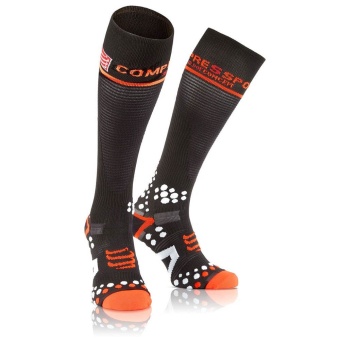
Introduction to Compression Gear
Compression sleeves and socks have gained immense popularity among endurance athletes, becoming a staple in gear selection. These innovative products are designed not only for aesthetic appeal but for their significant impact on athletic performance, recovery, and injury prevention. In this comprehensive guide, we will explore the science behind compression gear, its advantages, different types, how to choose the right ones, and much more to empower you as an athlete.
Understanding Compression Technology
Compression garments function by applying controlled pressure to the body. This pressure enhances blood flow, reduces muscle vibration, and supports recovery. Athletes, particularly in endurance sports like running, cycling, and triathlons, have reported improved performance and faster recovery times after utilizing compression gear.
The Science Behind Compression
Compression improves venous blood flow, which can enhance oxygen delivery to muscles during performance. Research shows that wearing compression garments can lead to greater efficiency by delaying the onset of fatigue and reducing post-exercise soreness (Brownsberger et al., 2018).
Benefits of Compression Sleeves and Socks
- Performance Enhancement: Athletes often wear compression gear during training and competition to potentially boost their performance through improved circulation.
- Improved Recovery: Compression sleeves and socks can reduce muscle soreness and swelling post-exercise, facilitating a faster recovery process.
- Injury Prevention: The support provided by compression gear can prevent injuries by stabilizing muscles and joints, particularly in high-impact sports.
- Temperature Regulation: Compression garments can help manage temperature by wicking moisture away from the skin, which is vital for comfortable long-distance events.
- Reduced Muscle Fatigue: By minimizing muscle oscillation during activity, sleeves and socks can reduce the likelihood of muscle fatigue.
Types of Compression Gear
Compression gear comes in various forms, primarily compression sleeves and socks. Understanding the differences can help you choose the right product according to your needs.
Compression Socks
Typically knee-high, compression socks provide thorough coverage from the foot up past the calf. They are especially popular among runners and cyclists due to their ability to support the lower leg muscles and improve blood circulation during extended periods of activity.
Compression Sleeves
Compression sleeves generally cover just the calf or arm and provide targeted compression to specific areas. They're useful for athletes looking for versatility, allowing for the use of any standard sock or no sock at all.
Compression Tights and Shorts
Full tights or shorts can also offer compression benefits across the entire leg, promoting blood flow, warmth, and muscle support during intense activities.
How to Choose Compression Sleeves and Socks
Selecting the right compression gear involves understanding your specific needs as an athlete. Here are key considerations when making a choice:
1. Compression Level
Compression garments come in different pressure levels, measured in mmHg (millimeters of mercury). For endurance athletes, mild to moderate level of compression (15-30 mmHg) is usually adequate, helping to boost circulation without feeling overly restrictive.
2. Size and Fit
Proper fit is crucial for effectiveness. Use a measuring tape to measure the circumference of your ankle, calf, and other relevant areas to ensure that you choose the correct size. Size charts provided by brands can help you find the right fit.
3. Material Composition
Look for breathable, moisture-wicking materials that will keep you comfortable during use. Common materials include nylon, spandex, and polyester.
4. Design and Style
While performance is key, choose a design and color that resonates with you. You’re more likely to wear gear that matches your personal style!
5. Brand Reputation
Go for reputable brands known for quality and performance products. Research customer reviews for insight into performance and durability.
Using Compression Gear Effectively
To maximize the benefits of compression sleeves and socks:
- Timing: Use compression gear during workouts and race days for performance benefits, and wear them post-training for recovery.
- Monitor Your Comfort: Make sure to listen to your body. If you feel restricted or uncomfortable, consider adjusting the size or type of garment.
- Pair with Other Recovery Techniques: Use compression gear in conjunction with other recovery strategies such as stretching, hydration, and adequate rest.
Conclusion
For endurance athletes, compression sleeves and socks are effective tools to enhance performance, optimize recovery, and prevent injuries. By understanding the various factors involved in selecting the right compression gear, you can make informed decisions that cater to your unique athletic needs. Don’t hesitate to experiment and discover what works best for you, pushing the limits of your endurance capabilities!
🧠 FAQ - Compression Sleeves and Socks
❓ What are compression sleeves and socks?
Compression sleeves and socks are specialized athletic gear designed to apply pressure to certain body areas, improving blood flow and supporting muscle recovery.
❓ How do compression garments affect performance?
Compression garments can enhance performance by improving circulation, reducing muscle fatigue, and preventing injuries during strenuous activities.
❓ When should I wear compression gear?
Athletes can wear compression gear both during workouts or races for performance enhancement and post-exercise for recovery.
❓ What compression level should I choose?
A mild to moderate compression level of 15-30 mmHg is typically recommended for endurance athletes looking to improve circulation.
❓ Can I wear compression gear every day?
Yes, many athletes wear compression gear daily during training, but it's important to listen to your body and ensure comfort.
❓ How do I select the right size for compression sleeves and socks?
To choose the right size, measure the circumference of your ankle and calf, and refer to the manufacturer’s size chart to ensure a proper fit.