Essential Hiking Gear and Equipment
Par Sarah Publié le 21/11/2025 à 07h00 — modifié le 20/11/2025 à 07h00 Temps de lecture : 3 minutes
Essential Hiking Gear and Equipment
As endurance athletes, hiking can be a great way to build stamina, appreciate nature, and recharge mentally. However, ensuring you have the right gear can make all the difference between a memorable adventure and an uncomfortable ordeal. Whether you're a seasoned hiker or just starting out, understanding the essentials of hiking gear is crucial for maximizing enjoyment and safety. Here, we’ll break down the key components you need, including clothing, equipment, tools, and nutrition strategies.
What to Wear: Clothing Essentials
Wearing the right clothing can significantly impact your hiking experience. It’s essential to dress in layers and choose materials that wick moisture away from your skin, provide insulation, and protect you from the elements.
Base Layer
Your base layer should be made of moisture-wicking material such as merino wool or synthetic fabrics. This layer keeps your skin dry by absorbing and transferring sweat away from your body. Look for:
- Long-sleeve shirts or short-sleeve shirts depending on the climate.
- Leggings or moisture-wicking shorts.
Insulating Layer
The insulating layer provides warmth, especially during colder hikes. Consider the following options:
- Fleece jackets or vests offer lightweight insulation.
- Down jackets are excellent for cold conditions but ensure they pack down small.
Outer Layer
The outer layer is your protection from wind and rain. Choose breathable, waterproof materials:
- Packs or shells that resist wind and waterproof.
- Look for features like vents to prevent overheating.
Footwear: Choose Wisely
Hiking boots are critical for foot stability and comfort. Consider:
- Trail Running Shoes: Best for speed and agility on well-maintained trails.
- Hiking Boots: Provide ankle support and are great for uneven terrains.
- Sandals: Suitable for easy trails or water crossings but ensure they have good traction.
Essential Hiking Gear: Equipment
Beyond clothing, certain equipment is necessary for a successful hike.
Backpacks
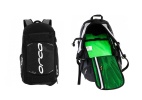
Your choice in backpacks can affect your endurance. Choose one based on the hike length:
- Day Packs: 15-30 liters for short trips.
- Weekend Packs: 30-50 liters for multi-day trips.
Navigation Tools
Being able to navigate safely is paramount:
- Map and Compass: Always have printed maps and a basic compass, even if you use technology.
- GPS Device: Many portable GPS devices can track your route and distance.
Tools and Gear
Several tools can enhance your efficiency:
- Multi-tool or Knife: Perfect for quick fixes or preparation.
- Headlamp or Flashlight: Essential for low-light situations; LED versions have longer battery life.
- Hiking Poles: Reduce strain on joints and provide extra stability.
Nutrition and Hydration Strategies
Adequate nutrition and hydration are vital for endurance during hikes.
Hydration
Dehydration can significantly affect your performance and safety. Ensure you:
- Carry at least 2 liters of water for a day hike.
- Consider a hydration bladder for convenience.
- Plan rest stops to refill at water sources when available, but always filter or purify water from natural sources.
Nutrition
Pack snacks that provide quick energy:
- Energy Bars and Gels: Quick sources of energy to maintain stamina.
- Nuts and Dried Fruit: Balanced snacks that offer healthy fats and sugars.
- Sandwiches: For longer hikes; choose sturdy bread and non-perishable fillings.
Safety Gear: First Aid and Emergency Essentials
Even with the best planning, accidents can happen, so having a first aid kit is vital:
- First Aid Kit: Include band-aids, antiseptic wipes, pain relievers, and personal medications.
- Emergency Blanket: Lightweight and compact for warmth if stranded.
- Fire Starter: Always have a way to start a fire in case of emergencies.
Technology: Enhancing Your Hiking Experience
In the age of technology, various gadgets can improve your hiking experience:
- Mobile Apps: Apps can provide trail maps, weather updates, and community reviews.
- Smartwatches: Can track heart rate, distance, and elevation while you hike.
Performance Gear
Investing in the right performance gear can enhance your hiking experience:
- Running Vests: Lightweight and perfect for carrying hydration and snacks.
- Compression Gear: Socks or sleeves can improve blood flow and reduce fatigue during extended hikes.
Recovery, Sleep, and Injury Prevention
After your hike, look after your body to prepare for the next outing:
- Post-Hike Stretching: Gentle stretching can aid in muscle recovery.
- Proper Sleep: Prioritize quality sleep to allow your body time to heal.
- Injury Awareness: Be conscious of any pain signals; don’t push through pain that could lead to injury.
Conclusion
Your hiking experience can be enriched by having the right gear and preparation. With the essentials—apparel, equipment, navigation, nutrition, and safety—you’re setting yourself up for a successful adventure. Whether you’re embarking on a short day hike or a longer, more strenuous trek, investing time in organizing your gear can foster not just safety, but a memorable and enjoyable outdoor experience.
🧠 FAQ - Essential Hiking Gear and Equipment
❓ What should I wear for hiking?
Wear moisture-wicking base layers, an insulating layer, and a waterproof outer layer. Don’t forget sturdy footwear!
❓ What should I pack in my daypack?
Pack a water bottle, snacks, navigation tools, a first aid kit, and additional clothing layers.
❓ How important is hydration while hiking?
Hydration is crucial to maintain energy levels and prevent dehydration during hikes.
❓ What type of food is best for hiking?
Quick energy snacks like energy bars, nuts, and fruits are excellent for hiking.
❓ How can I prevent injuries while hiking?
Proper footwear, pacing your hike, and being mindful of your body's signals can help prevent injuries.
❓ Should I use trekking poles?
Yes, trekking poles can reduce strain on your joints and provide stability on uneven terrain.