Essential Safety Tips for Hikers: Equipment You Shouldn't Forget
Par Sarah Publié le 21/11/2025 à 07h01 — modifié le 20/11/2025 à 07h01 Temps de lecture : 3 minutes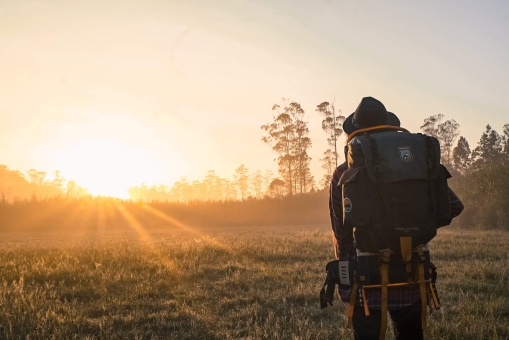
Introduction
Hiking can be one of the most rewarding outdoor activities, allowing you to connect with nature and challenge yourself physically. However, safety should always be your top priority. With the right equipment in hand, you can mitigate risks and enhance your hiking experience. In this article, we'll cover essential safety tips focusing specifically on the gear you need to bring along on your adventures.
Choosing the Right Footwear
Your choice of footwear can significantly impact your hiking experience. Proper hiking boots or shoes provide the necessary support, traction, and comfort. Factors to consider include:
- Type of Hiking: Choose boots designed for specific terrains. For instance, rugged terrain may require heavier boots with more support and grip, while lighter trails can be tackled with trail runners.
- Fit: Ensure the boots fit well. There should be enough room for your toes, but they should not be loose. Remember to try them on with the socks you plan to wear during your hikes.
- Water Resistance: Consider waterproof options if you expect wet conditions. Look for Gore-Tex or other breathable fabrics that keep your feet dry.
Essential Clothing Layers
Choosing the right clothing is vital for regulating body temperature and staying dry. An effective layering system includes:
- Base Layer: Wicking fabrics help pull moisture away from your skin, keeping you dry and comfortable.
- Insulation Layer: Mid-layers like fleece or down jackets trap heat, providing warmth on colder days.
- Outer Layer: Waterproof and windproof jackets protect you from the elements, ensuring you remain dry regardless of the weather.
Navigation Tools
Navigation tools are crucial for ensuring you stay on course. Consider these options:
- Map and Compass: Familiarize yourself with using traditional navigation tools as backup to technology.
- GPS Device: A handheld GPS can provide accurate positioning and trails, especially in remote areas.
- Smartphone Apps: Many hiking apps offer trail maps, conditions, and waypoints. Make sure to download maps for offline access before heading into areas with poor signal.
First Aid Kit
No hiker should venture out without a properly stocked first aid kit. It should include:
- Bandaids and sterile gauze
- Antiseptic wipes
- Adhesive tape
- Pain relievers
- Allergy medication if necessary
- Any personal medications
Familiarize yourself with the contents of your kit, practice how to use them, and consider taking a wilderness first aid course to enhance your safety skills.
Hydration Solutions
Staying hydrated is critical during any hike. Here are options for hydration:
- Hydration Packs: Bladder systems offer hands-free hydration, allowing you to drink while walking.
- Reusable Water Bottles: Choose insulated bottles that keep your drink cold or hot, depending on the temperature.
- Water Purification: When hiking in areas where water sources are available, consider bringing a purification system like tablets or filters to ensure safe drinking water.
Emergency Gear
Even the best-planned hikes can go wrong. Pack essential emergency gear:
- Whistle: For signaling for help in case you get lost or trapped.
- Multi-tool or Knife: Useful for various situations, from preparing food to making repairs.
- Headlamp or Flashlight: Nightfall can come unexpectedly; always have a reliable light source.
- Fire Starter: Waterproof matches or a lighter to provide warmth and signaling.
Sun Protection
When hitting the trails, protecting your skin and eyes is essential:
- Sunblock: Use a broad-spectrum sunblock with at least SPF 30, reapplying every two hours or after swimming or sweating.
- Sunglasses: UVA and UVB ray protection is necessary; choose wrap-around styles for better coverage.
- Hat: Wear a wide-brimmed hat to shield your face and neck from the sun.
Pack Wisely
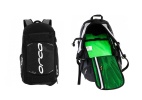
Your backpack serves as the vessel for all your essential gear, but packing it wisely is key:
- Weight Distribution: Place heavier items close to your back and lower down for balance.
- Accessibility: Keep frequently used items, like snacks, within easy reach.
- Weather Protection: Use waterproof liners for your pack to protect your gear from rain.
Stay Informed and Prepared
Before heading out, keep the following in mind:
- Trail Conditions: Check for any trail updates or closures. Websites and local ranger stations can provide valuable information.
- Weather Forecast: Always check the weather prior to heading out, and be prepared for sudden changes.
- Share Your Plans: Let someone know your itinerary, including your expected return time, to ensure someone is aware of your plans.
Conclusion
With these essential safety tips and equipment in mind, you can set off on your hiking adventures with confidence. Remember to assess your individual needs based on the trail's difficulty, weather conditions, and personal preferences to ensure a safe and enjoyable experience.
🧠 FAQ - Essential Safety Tips for Hikers
❓ What should I pack for a day hike?
For a day hike, pack water, snacks, a first aid kit, navigation tools, emergency gear, sun protection, and sufficient clothing layers.
❓ How do I choose the right hiking boots?
Select boots based on the terrain, fit, and water resistance. Ensure they are comfortable and supportive for your specific hiking activities.
❓ What is a good hydration strategy while hiking?
Drink before you feel thirsty, aim for about 0.5 to 1 liter of water per hour, depending on conditions and intensity.
❓ How can I prepare for sudden weather changes?
Check the weather forecast before your hike and pack an extra layer of clothing as well as rain gear.
❓ What essential items should be in a first aid kit for hiking?
Essential items include band-aids, antiseptic wipes, adhesive tape, pain relievers, and personal medications.
❓ How can I keep my pack organized and accessible?
Use compartments to organize gear, pack heavier items close to your back, and keep commonly used items at the top for easy access.