Essential Trail Running Gear: Shoes, Backpack, Headlamp, Technical Clothing, Nutrition - Be Well-Equipped and Safe
Par Sarah Publié le 26/11/2025 à 07h00 — modifié le 25/11/2025 à 07h00 Temps de lecture : 3 minutes
Introduction
Trail running offers a unique escape into nature, combining the physical challenge of running with the serenity of the outdoors. Whether you're navigating rugged paths or enjoying scenic views, having the right gear ensures not only your performance but also your safety and comfort during runs. This guide covers essential trail running gear, including shoes, backpacks, headlamps, technical clothing, and nutrition strategies.
Trail Running Shoes
The foundation of a successful trail run starts with the right pair of shoes. Trail running shoes are designed specifically to handle uneven terrains and provide the necessary support and grip.
Key Features to Consider:
- Tread and Traction: Look for shoes with aggressive treads for better grip on slippery or loose surfaces.
- Cushioning: Depending on your preference, determine if you need more cushioning for shock absorption or a minimalist style for a close-to-ground feel.
- Water Resistance: Wet conditions can turn trails into mudslides, so consider waterproof options if you're likely to encounter wet elements.
- Fit: A snug fit reduces the risk of blisters. Make sure there's enough toe box space to prevent discomfort during longer runs.
Several popular options among trail runners include the Salomon Speedcross, Hoka One One Speedgoat, and the Altra Lone Peak. Each of these shoes provides unique benefits tailored to different trails and runner preferences.
Backpacks for Trail Running
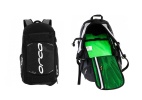
When heading out for a trail run, especially on longer routes, it’s crucial to carry essentials like water, nutrition, and extra gear. A good trail running backpack allows for hands-free hydration and easy access to your supplies.
Choosing the Right Backpack:
- Size: Select a backpack that fits your needs — small packs (5-15 liters) are typically suited for shorter runs, while larger ones (15-35 liters) work better for longer adventures.
- Hydration Compatibility: Many backpacks come with a hydration reservoir, while others provide pockets for water bottles. Ensure you can easily hydrate while on the move.
- Weight Distribution: Look for lightweight backpacks with adjustable straps to ensure a snug fit and reduce bouncing.
- Pockets: Multiple compartments help organize your gear, allowing easy access to items without having to rummage through the entire pack.
The Ultimate Direction Ultra Vesta and Salomon Advance Skin packs are renowned among trail runners for their comfort and functionality.
Headlamps for Trail Visibility
Trail running often means navigating varied terrains and changing light conditions. A reliable headlamp is essential, especially for runs at dawn, dusk, or night.
Key Features of a Good Headlamp:
- Brightness: Lumens indicate brightness; choose a headlamp that fits your needs – about 200-300 lumens is usually sufficient for most trail running conditions.
- Battery Life: Select a lamp with long battery life, and consider one with options for both high and low settings for versatility.
- Weight and Comfort: Lightweight models will ensure your headlamp remains comfortable during longer runs.
- Adjustability: A 360-degree adjustable beam allows you to illuminate your path more effectively while observing your surroundings.
Popular choices include the Petzl Actik and Black Diamond Spot, both of which are known for their reliability in outdoor conditions.
Technical Clothing for Comfort
Selecting the right clothing is vital for comfort during your trail runs. Technical clothing is designed to wick away sweat, regulate temperature, and provide a comfortable fit.
Essential Clothing Items:
- Shorts/Tights: Look for moisture-wicking materials. Tights can provide extra warmth in cooler conditions, while shorts are preferable in warmer weather.
- Shirts: Lightweight, breathable, and quick-dry fabrics help combat sweat. Consider long sleeves if you’re running in areas with sun exposure or for extra bug protection.
- Jackets: An essential piece for unpredictable weather, lightweight and packable jackets help shield against rain or wind.
- Socks: Invest in quality trail running socks to reduce friction and prevent blisters. Look for double-layer or moisture-wicking options.
Brands like Patagonia, Merrell, and The North Face offer specific lines tailored for trail running enthusiasts.
Nutrition Strategies for Endurance
To perform at your best, maintaining adequate nutrition and hydration during your trail runs cannot be overlooked. Adopting the right strategies prepares your body for the physical demands and supports recovery.
Essential Nutrition Tips:
- Before Your Run: Fuel with complex carbohydrates like oats or whole grain toast paired with protein. Consider a small snack or energy bar about 30 minutes before hitting the trail.
- During Your Run: For runs longer than an hour, consume easily digestible carbs like gels, chews, or electrolyte drinks to replenish and maintain energy levels.
- After Your Run: Prioritize recovery with meals high in protein and carbohydrates to aid muscle repair. Consider smoothies, eggs, or a hearty grain bowl.
Hydration is equally crucial. Running in warmer climates increases fluid loss through sweat, so aim to drink water regularly. Electrolyte replenishment with hydration tablets or specialized sports drinks can help maintain sodium levels, critical for performance.
For particularly long runs, fueling mistakes can be detrimental. Explore common nutrition pitfalls in our article, Ultra Trail: The 5 Common Nutrition Mistakes That Ruin Your Performance During Endurance Races.
Safety First: Staying Safe on the Trails
Despite being well-equipped for your trail running adventures, safety should always be a priority. Here are some additional tips for staying safe:
- Always inform someone about your intended route and estimated return time.
- Use a GPS watch or smartphone for tracking your location, especially in unfamiliar areas.
- Run within your limits—know when to turn back if conditions change or you feel fatigued.
- Carry a basic first aid kit for emergencies.
Conclusion
Trail running is an exhilarating sport that allows you to explore beautiful landscapes while improving your fitness. By investing in the right gear—shoes, backpacks, headlamps, technical clothing, and nutrition strategies—you ensure that every run is not only enjoyable but also safe and effective. Before you head out on the trails, ensure your gear is fit for your personal needs and the challenges of the trail. Train well, and happy running!
🧠 FAQ - Essential Trail Running Gear
❓ What should I look for in trail running shoes?
Look for shoes with good tread for traction, cushioning for shock absorption, water resistance for wet conditions, and a comfortable fit to prevent blisters.
❓ How do I choose the right trail running backpack?
Consider the size for your storage needs, hydration compatibility, weight distribution, and the number of pockets for organization when selecting a backpack.
❓ Why is a headlamp important for trail running?
A headlamp provides essential visibility in low-light conditions, making it safer to navigate uneven terrain while running early or late in the day.
❓ What type of clothing is best for trail running?
Use moisture-wicking, breathable fabrics for your shorts, shirts, and jackets. Layer according to weather conditions to ensure comfort throughout your run.
❓ How should I fuel during my trail runs?
Consume easily digestible carbohydrates during longer runs, such as gels, chews, or electrolyte drinks, and prioritize post-run meals that are high in protein and carbohydrates.
❓ What are some general safety tips for trail running?
Inform someone of your route, use GPS for tracking, run within your limits, and carry a basic first aid kit for emergencies.