Enhance Your Workouts with a Heart Rate Monitor Belt
Par Sarah Publié le 04/11/2025 à 19h00 — modifié le 03/11/2025 à 19h00 Temps de lecture : 3 minutes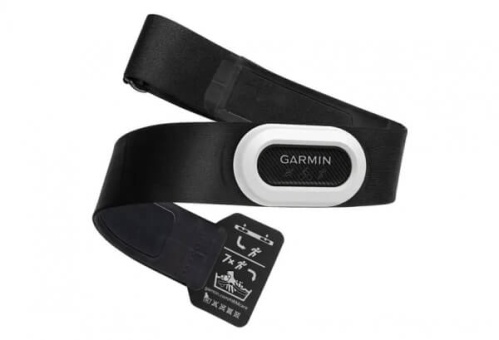
Understanding Heart Rate Monitoring
Heart rate monitoring has become an essential part of training for endurance athletes across disciplines like triathlon, trail running, and cycling. By keeping track of your heart rate, you can gauge your effort levels, tailor your training sessions, and enhance your overall performance.
Why Heart Rate Matters
Heart rate is a direct indicator of how hard your body is working. During workouts, understanding your heart rate zones allows you to train effectively to improve stamina, speed, and recovery.
- Resting Heart Rate: Indicates your fitness level; a lower resting heart rate often means better cardiovascular health.
- Max Heart Rate: A crucial number that helps set your training zones, calculated as 220 minus your age.
- Heart Rate Zones: Training in different zones leads to different adaptations, from fat burning to endurance building.
Benefits of Using a Heart Rate Monitor Belt
Heart rate monitor belts provide several benefits that can contribute significantly to your training objectives:
1. Accurate Heart Rate Tracking
Unlike wrist-based monitors, heart rate monitor belts use electrodes to provide a more accurate and consistent reading of your heart rate. This precision is crucial for endurance training where small fluctuations in heart rate can affect performance.
2. Personal Training Zones
Using a heart rate belt allows you to easily identify and maintain your desired training zone. Whether you're aiming for recovery (50-60% of max HR), aerobic (60-70% of max HR), or anaerobic (80-90% of max HR) training, having real-time feedback helps you stay on track.
3. Performance Insights
Monitoring heart rate variability (HRV) can offer insights into your cardiovascular system's response to training. It’s a valuable tool for understanding how hard your body is working and when it may need a rest, ensuring you avoid overtraining.
4. Enhanced Recovery
By tracking your restoration heart rate after workouts, you can determine how well your body is recovering, allowing you to adjust your training accordingly and enhance performance longevity.
Choosing the Right Heart Rate Monitor Belt
Not all heart rate monitors are created equal. When selecting a heart rate monitor belt, consider the following factors:
1. Comfort and Fit
The comfort of a heart rate monitor belt is paramount. Look for a design that fits snugly without causing chafing, especially during long-distance activities.
2. Connectivity
Ensure the monitor is compatible with your training devices, like smartwatches, cycling computers, and fitness apps. Options may include Bluetooth or ANT+ connectivity.
3. Battery Life
A longer battery life is crucial for endurance events. Look for belts that offer extended usage to prevent interruptions during training or racing.
4. Data Accuracy
Research user reviews and ratings to find out how accurately the belt measures heart rate during various activities.
Training with a Heart Rate Monitor Belt
Incorporating a heart rate monitor belt into your training can lead to more productive sessions. Here’s how to effectively use it:
1. Establish Your Heart Rate Zones
Before you begin any training cycle, calculate your max heart rate and determine your training zones. This baseline will guide your workouts and ensure you’re training efficiently.
2. Warm-Up Properly
Start your sessions with a proper warm-up that raises your heart rate gradually. Monitors will help you stay within the ideal range as you prepare for more intensive efforts.
3. Monitor During Workouts
Keep an eye on your heart rate while exercising. Use it to adjust your pace during runs or rides. For instance, if you find yourself exceeding your upper aerobic limit, it may be wise to slow your pace.
4. Analyze Post-Workout Data
After each workout, analyze your heart rate data. Look for patterns in your recovery rate and understand how quickly your heart rate returns to resting levels.
Injury Prevention Through Monitoring
Injury is a common concern for endurance athletes. Utilizing a heart rate monitor belt can help mitigate this risk.
Recognizing Overtraining Signs
Consistently high heart rates during workouts without adequate recovery may indicate overtraining, a pathway to injury. Regularly monitoring your heart rate can help you recognize signs of fatigue early.
Resting Heart Rate Trends
Monitoring your resting heart rate over weeks can alert you to potential problems. An increasing resting heart rate can signal that your body is experiencing stress, guiding you to modify your training schedule.
Integrating Technology and Gear
As endurance sports continue to evolve, integrating technology becomes more essential. Pair your heart rate monitor belt with other devices and apps for comprehensive training insights.
1. Fitness Apps
Many apps sync data from heart rate monitors and provide detailed analyses and trends over time, ideal for tracking progress.
2. Wearable Technology
Integrating heart rate monitors with GPS technology can provide even deeper insights into performance variations during training and competition.
Final Thoughts
A heart rate monitor belt is much more than just an accessory for your training; it's a pivotal tool for understanding and improving your performance as an endurance athlete. By integrating accurate heart rate data into your training regimen, you can optimize your workouts, manage your recovery, and ultimately enhance your endurance and performance.
Start investing in a quality heart rate monitor belt today and take your training to the next level.
🧠 FAQ - Heart Rate Monitor Belts
❓ How does a heart rate monitor belt work?
A heart rate monitor belt uses electrodes to read the electrical signals from your heart, providing real-time data on your heart rate as you train.
❓ What is the difference between a heart rate monitor belt and a wrist monitor?
Heart rate monitor belts usually offer more accurate data compared to wrist monitors, especially during high-intensity workouts due to their direct contact with the chest.
❓ Can I use a heart rate monitor belt for all sports?
Yes, heart rate monitor belts can be used for various sports, including running, cycling, and swimming, making them versatile for endurance athletes.
❓ How do I calculate my heart rate zones?
To find your heart rate zones, determine your maximum heart rate (220 minus your age) and then calculate the percentages for different training levels, typically in 10% increments.
❓ Will a heart rate monitor help prevent injury?
Yes, consistent monitoring of your heart rate can help indicate overtraining or fatigue, which are factors in injury prevention.
❓ How do I maintain my heart rate monitor belt?
Regularly clean the electrodes and check the battery life to ensure optimal performance. Store it in a dry place when not in use.