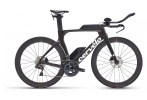
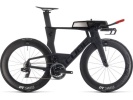
Trek Bikes: The Brand That Shaped Cycling History
Par Sarah Publié le 10/11/2025 à 07h01 — modifié le 09/11/2025 à 07h01 Temps de lecture : 3 minutes
The Legacy of Trek Bikes
Founded in 1976 in Wisconsin, Trek Bicycle Corporation has become a dominant force in the cycling industry. Known for their commitment to quality and innovation, Trek has continually shaped the landscape of cycling equipment through groundbreaking designs and advanced technology. As an endurance athlete, understanding the history and evolution of Trek bikes isn’t just about admiring their aesthetic; it's about appreciating the impact these machines have had on athlete performance, comfort, and endurance.
Innovative Engineering and Design
Trek’s pioneering spirit is evident in many of their bike designs and technological advancements. For instance, their use of lightweight materials and aerodynamic shapes has helped cyclists improve their speed and efficiency on various terrains. Here are a few key innovations that stand out:
- OCLV Carbon: Trek was one of the first companies to utilize OCLV (Optimum Compaction, Low Void) carbon in their bikes, which provides an incredible strength-to-weight ratio. This technology allows racers to push harder for longer durations without the frame collapsing under pressure, making it ideal for long-distance cycling.
- ISO Speed Decoupler: Introduced in the Domane series, this feature provides extra compliance and comfort on rough roads, reducing fatigue during long races or training rides. As a triathlete, you can appreciate how this technology aids in maintaining endurance during tough conditions.
- Electrolyte Integration: Some Trek models come integrated with hydration systems directly into the frame design, showcasing the brand's understanding of the importance of hydration strategies during long rides. This reflects their dedication to optimizing athlete performance.
Focus on Athlete Development
Beyond manufacturing bicycles, Trek understands the importance of supporting athlete development. They invest in coaching programs and education, allowing both amateur and professional cyclists to elevate their skills and enhance their performance. With the philosophy that a better athlete rides a better bike, Trek aligns itself with skilled trainers and resources to advocate for cyclist health and progress.
Examples of Athlete Development Programs
Trek has various initiatives tailored for cyclists of different levels:
- Trek University: An educational program designed to help bike retailers and athletes understand the intricacies of bike mechanics, maintenance, and performance tuning.
- Gravity Team: Trek’s sponsored athletes fully embody the endurance spirit, competing across gravel, mountain bike, and road racing disciplines. They inspire aspiring cyclists and promote a community-centric approach to cycling.
- Sponsorship of Olympic Athletes: Trek’s sponsorship of national and Olympic teams showcases its commitment to elevating cycling and supporting high-level athletes as they compete in demanding environments.
Nutrition and Hydration Strategies
In endurance sports, as you may already know, nutrition and hydration strategies play a pivotal role in performance. Trek Bikes has partnered with nutrition experts to develop guidelines tailored to support their riders. Understanding your body's needs, especially during long sessions on the road, is crucial. Here are some tips to integrate:
- Pre-Ride Nutrition: A meal rich in carbohydrates with adequate protein three hours before embarking on a long ride can lead to better performance.
- Mid-Ride Hydration: Stay hydrated with electrolyte-infused drinks as you ride. Trek's integrated hydration systems align perfectly with these strategies.
- Recovery Meals: Post-ride nutrition rich in protein and healthy fats aids in muscle recovery, preparing you for the next training session.
Recovery, Sleep, and Injury Prevention
Recovery is just as essential as training itself. Trek acknowledges endurance athletes' need for proper recovery strategies to maintain performance levels and avoid injuries. Building a robust recovery regimen includes:
- Sleep: Aim for 7-9 hours of quality sleep per night to allow your body to repair and strengthen the muscles you've worked hard to develop.
- Active Recovery: Light rides ensure blood circulates through sore muscles, promoting quicker recovery times without overstressing your body.
- Injury Prevention: Strength and flexibility training focused specifically on cycling can reduce the probability of injury. Consider dynamic stretching pre-ride and static stretching post-ride as core components of your regimen.
Technology and Performance Gear
Today's cycling world is heavily influenced by technology, and Trek has always been at the forefront of integrating cutting-edge gear into their lineup. From smart helmets with Bluetooth connectivity to GPS-enabled cycling computers, the landscape has evolved tremendously. Consider these technologies as you prepare for your next endurance event:
- Smart Helmets: Many modern helmets now come equipped with safety features that alert emergency services in case of an accident, ensuring peace of mind during long training rides.
- Side-Mounted Lights: Enhancing safety during low-light conditions, Trek's performance gear provides visibility on dark trails, allowing you to train effectively at any time of day.
- Performance Analytics: Equip your Trek bike with a power meter to receive real-time feedback on your performance metrics, which is essential for understanding your training zones and optimizing race strategies.
Mental Preparation and Race Strategy
Mental fortitude is crucial for success in endurance sports. Trek recognizes that equipping their cyclists with the right mindset is as important as providing them with the right bikes. Here are some strategies to adopt:
- Visualization: Picture yourself achieving your goals. This technique has been used by elite athletes to enhance performance through mental rehearsal.
- Set SMART Goals: Specific, Measurable, Achievable, Relevant, and Time-bound goals can guide your training, race day strategies, and recovery periods.
- Positive Self-Talk: Encourage yourself with motivational phrases during challenging rides or races. This will keep your spirits high when you're out on the course.
Conclusion: The Trek into the Future
Trek bikes are more than just a means of transportation; they symbolize innovation, athlete development, and a passion for cycling. From their pioneering designs to their commitment to nurturing endurance athletes, Trek continues to shape the cycling landscape. Whether you’re a seasoned pro or a new cyclist, the advancements made by Trek can help enhance your performance, excitement, and overall enjoyment of the sport. Explore their range and find the perfect companion for your next endurance challenge!
🧠 FAQ - Trek Bikes and Cycling
❓ What innovations have Trek Bikes introduced to enhance cycling performance?
Trek has introduced several innovations, including OCLV carbon for lightweight frame design, the ISO Speed Decoupler for increased comfort, and integrated hydration systems for better athlete performance.
❓ How does Trek support athlete development?
Trek supports athlete development through programs like Trek University for education on bike mechanics, sponsorship of professional teams, and hosting community-centric events.
❓ What are key nutrition strategies for endurance cyclists?
Endurance cyclists should focus on pre-ride meals rich in carbohydrates, hydration with electrolyte drinks during the ride, and post-ride recovery meals rich in protein and healthy fats.
❓ Why is recovery important in endurance training?
Recovery allows the body to repair muscle tissue and replenish energy stores, which is essential for maintaining performance and avoiding injury during training and competitions.
❓ What technology should I consider for my Trek bike?
Consider equipping your Trek with smart helmets, side-mounted lights for visibility, and performance analytics tools like power meters for real-time feedback on your training.
❓ How can I prepare mentally for endurance races?
Employ strategies such as visualization, setting SMART goals, and using positive self-talk to enhance your mental preparation for races or challenging training sessions.