Is Triathlon a Sport for the Rich? Understanding the Budget Needed to Participate
Par Sarah Publié le 15/11/2025 à 07h01 — modifié le 14/11/2025 à 07h01 Temps de lecture : 3 minutes
Is Triathlon a Sport for the Rich?
Triathlon is often perceived as a sport reserved for the affluent, where high-end bikes, specialized gear, and expensive race entries dominate the landscape. However, is this perception accurate? In this article, we will break down the budget needed to dive into the world of triathlon, discuss various elements of triathlon equipment, and explore how you can participate in this thrilling sport without breaking the bank.
Understanding Triathlon Costs
The true cost of participating in a triathlon can be as varied as the athletes themselves. The expenses will depend on various factors including the level of competition, the distances involved, the choice of equipment, and personal preferences. Here's a detailed look at what you will spend when participating in a triathlon.
1. Race Entry Fees
One of the immediate costs you’ll encounter is signing up for races. Entry fees can vary significantly based on the race's prestige, location, and distance. Here’s a breakdown:
- Sprint Distance: $50 to $100
- Olympic Distance: $75 to $150
- Half Ironman: $150 to $300
- Ironman: $300 to $600+
Many races offer early-bird pricing, so planning ahead can lead to considerable savings.
2. Essential Equipment Costs
Your gear will significantly influence your overall expenses. Let’s dissect the main items needed for triathlon:
Swim Gear
- Wetsuit: $150 to $800 (rentals available for $30-$50 per race)
- Swim Cap: $5-$15
- Goggles: $10 to $50
- Training Fins/Paddles: $20 to $50
Wetsuits can be the biggest ticket item in swim gear; however, many athletes opt to rent them, especially if they are new to the sport.
Cycling Gear
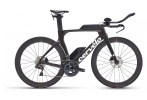
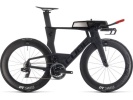
- Bike: $300 to $10,000 (consider used options for substantial savings)
- Helmet: $50 to $300
- Bike shorts: $30 to $150
- Clipless pedals and shoes: $100 to $500
For beginners, a reliable mountain bike or a road bike in the $500 range can suffice, especially for shorter races.
Run Gear
- Running Shoes: $50 to $200
- Running attire: $30 to $120
Your running gear does not need to be expensive. Choosing brands that provide good value can save money.
3. Additional Training Costs
Training for a triathlon requires time and resources. Consider the following:
- Coaching: $100 to $500 per month (optional)
- Gym Membership: $30 to $100 per month (optional)
- Nutrition and Hydration Products: $20 to $200 per month
If you’re on a budget, many free online resources and community groups can provide valuable training advice.
4. Travel and Accommodation
Depending on the location of the races, travel can become a significant expense. Consider:
- Fuel/Flights: $50 to $500
- Accommodation: $60 to $200 per night
Staying with friends, camping, or searching for budget options can minimize these costs.
5. Optional Gear and Upgrades
As your experience and commitment grow, you might be tempted to invest in additional equipment:
- Bike Computer: $50 to $600
- Heart Rate Monitor: $40 to $300
- Specialized Triathlon Gear: $100 to $500 (including race bibs and shoe transitions)
While these items can enhance performance, they’re not necessary for beginners.
Creating a Budget: Sample Breakdown
Based on the above categories, let’s look at a hypothetical budget for a novice triathlete participating in a Sprint triathlon:
- Race Entry Fee: $75
- Swim Gear: $200 (wetsuit rental, goggles, cap)
- Cycling Gear: $600 (used bike, basic helmet)
- Running Gear: $100 (shoes and attire)
- Nutrition/Hydration for Training: $100
- Travel/Accommodation: $200
- Miscellaneous: $50
Total Estimated Budget: $1,425
This example reflects a reasonable customized investment for a beginner, highlighting that triathlon doesn’t have to be exclusively for the wealthy.
How to Participate on a Budget
1. Buy Used Gear: Explore local classifieds or triathlon forums for second-hand gear. Many experienced triathletes sell their equipment that is still in excellent condition.
2. Local Community Events: Look for smaller, community-sponsored races with lower fees, which are less intimidating for new athletes.
3. Group Training: Join a local training group or club. This often decreases costs associated with coaching and provides invaluable social support.
4. Prioritize Necessities: Focus on the essentials that prioritize safety and comfort before considering luxury items or upgrades.
5. Be Mindful of Race Choices: Some races can come with high additional costs like travel and accommodation — choose wisely based on your financial situation.
Conclusion
Triathlon indeed has a reputation for being expensive, but understanding the various costs involved can help dispel the myth that it's solely a sport for the rich. With savvy decisions on equipment, race selection, and training methods, anyone motivated to embrace the triathlon lifestyle can do so without a vast financial commitment. Whether you're a beginner or considering moving up in distance, remember that passion, not price tags, is what truly defines a triathlete!
🧠 FAQ - Is triathlon a sport for the rich? What budget is needed to participate?
❓ How much can I expect to spend on my first triathlon?
A beginner's budget can range from $1,000 to $1,500, including race fees, gear, and training costs.
❓ Can I rent gear instead of buying it?
Yes, many races offer rental options for wetsuits and sometimes bikes, which can save you costs.
❓ Are there affordable alternatives to fancy bikes?
Used bikes or lower-end models are a great way to get started without financial strain.
❓ Do I need specialized clothing for triathlon?
While specialized clothing can enhance comfort, regular swim/bike/run attire can also work effectively for beginners.
❓ How can I minimize entry fees for races?
Signing up early often provides lower rates, and local community races can be significantly cheaper.
❓ Is coaching necessary to compete in a triathlon?
Coaching is not strictly necessary; many triathletes self-train using online resources, especially at the beginner level.