Wheels in Triathlon: Compare Models and Brands Before Buying
Par Sarah Publié le 04/11/2025 à 07h01 — modifié le 03/11/2025 à 07h01 Temps de lecture : 3 minutes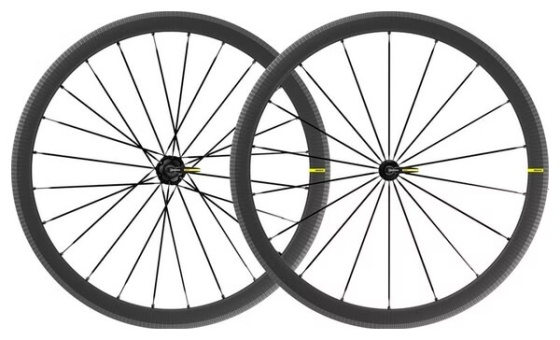
Understanding the Importance of Wheels in Triathlon
In the competitive world of triathlon, every component of your gear can significantly impact your performance, and this is particularly true for your bike wheels. Triathletes are always looking for ways to improve their times, and investing in quality wheels can provide the aerodynamic advantage needed to shave off precious seconds. This article will help you understand the various features of triathlon wheels, compare leading brands, and guide you in making an informed purchase decision.
The Role of Wheels in Performance
Wheels affect triathlon performance in multiple ways:
- Aerodynamics: The shape of the wheel and rim can dramatically reduce drag.
- Weight: Lightweight wheels help to improve acceleration and climbing abilities.
- Stiffness: Stiff wheels provide better power transfer and responsiveness.
- Durability: Reliable wheels withstand the demands of long-distance racing.
Types of Triathlon Wheels
Choosing the right wheels means understanding the various types available in the market:
1. Training Wheels
These are designed for everyday use and durability over sheer performance. They are typically heavier and cheaper, perfect for your training rides.
2. Racing Wheels
These are lighter and more aerodynamic, crafted for speed and efficiency during race day. Investing in high-quality racing wheels can lead to considerable time savings.
3. Aero Wheels
Aero wheels feature deeper rims that are designed to reduce drag. They can significantly enhance your performance, particularly on flat or rolling courses.
Comparing Brands and Models
When it comes to wheels, several brands stand out for their innovation and quality:
1. Zipp
Zipp is synonymous with high-performance wheels. Their Zipp 808 Firecrest is known for its aerodynamics and lightweight construction, ideal for triathletes looking for top-tier performance.
2. HED
HED wheels are praised for their balance of performance and durability. The HED Jet 6+ and Jet 9+ are popular selections among triathletes for their stability and speed.
3. Mavic
Mavic offers excellent craftsmanship with the Mavic Cosmic Pro Carbon. This model comes with a perfect blend of aerodynamics and lightweight features.
4. DT Swiss
The DT Swiss PRC 1400 Spline wheels are impressive in their design, providing a rigid feel with excellent weight savings, making them a top choice for road racing.
Key Features to Consider
- Rim Depth: A deeper rim can improve aerodynamics, but it's essential to balance that with handling in crosswinds.
- Materials: Carbon fiber wheels are lighter and stiffer, while aluminum wheels are more durable and cost-effective.
- Braking System: Consider whether you prefer rim or disc brakes, as they offer different advantages in braking power and ease of maintenance.
Navigating Price Points
The price of triathlon wheels can vary significantly based on features and brand reputation. A solid set of training wheels may start at a few hundred dollars, while high-end racing wheels can reach several thousand. Here’s a breakdown of general price categories:
- Budget (under $500): Great for training, these wheels typically offer durability without the bells and whistles.
- Mid-range ($500 to $1,500): Often a good compromise between weight, aerodynamics, and price for triathletes.
- High-end ($1,500 and above): Top-tier models that offer cutting-edge technology and significantly lighter weights.
Maintenance Tips for Triathlon Wheels
Maintaining your wheels is crucial for longevity and performance. Here are some essential tips:
- Regular Cleaning: Keep your wheels clean from dirt and grime, especially after training or racing.
- Check for True: Ensure your wheels remain true (straight) to prevent wobbling effects during rides.
- Inspect for Wear: Regularly check your brake pads and rim surfaces for wear; replace them as necessary.
- Proper Storage: Store wheels in a cool, dry place to prevent damage when not in use.
The Bottom Line: Choose Wisely
Choosing the right wheels for triathlon can improve not just your performance but also your overall experience. Whether you prioritize aerodynamics, weight, or durability, there’s a wheel set out there to meet your needs. Remember to test wheels when possible and consider your personal riding style and typical race conditions.
Your Next Steps
Before making a decision, take the time to do thorough research, compare different models and brands, and understand how each feature aligns with your goals as a triathlete. Quality wheels can provide the speed advantage you need, so make sure to invest in the right ones for your race day success.
🧠 FAQ - Triathlon Wheels
❓ What are the best wheels for triathlons?
The best wheels depend on your budget and needs, but brands like Zipp and HED offer top-performance options for serious triathletes.
❓ How important are wheels in triathlon?
Wheels play a crucial role in your overall performance by affecting aerodynamics, weight, and speed, which can significantly impact your race time.
❓ Can I use regular road bike wheels for triathlons?
Yes, but specialized triathlon wheels are designed for maximum aerodynamics and performance. If you're looking to optimize your potential, consider investing in dedicated triathlon wheels.
❓ How often should I maintain my triathlon wheels?
Regular maintenance, such as cleaning and checking the true of the wheels, should be performed after each ride. Inspect brake pads and rim surfaces regularly for wear.
❓ What is the difference between carbon and aluminum wheels?
Carbon wheels are generally lighter and more aerodynamic, offering better performance. Aluminum wheels are more durable and usually more affordable, making them suitable for training.
❓ Should I prioritize weight or aerodynamics in my wheel choice?
It depends on your riding style and race conditions. If racing on flat terrains, aerodynamic features may be more important, while lightweight wheels are beneficial for climbing.