Your Wetsuit is Your Best Partner for Triathlon: Learn How to Repair and Maintain It
Par Sarah Publié le 17/11/2025 à 07h00 — modifié le 16/11/2025 à 07h00 Temps de lecture : 2 minutes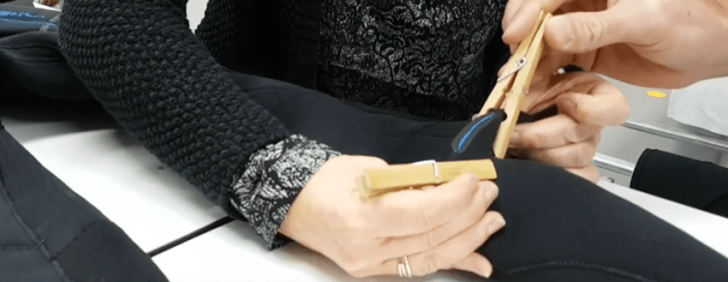
Introduction
As a triathlete, your wetsuit plays a crucial role in your performance, especially during the swim segment. A well-maintained wetsuit not only enhances your buoyancy and speed in the water but also ensures your comfort throughout the race. In this comprehensive guide, we will explore the importance of your wetsuit, along with practical tips on how to repair and maintain it for long-lasting use.
Why Your Wetsuit Matters
Your wetsuit is more than just a piece of equipment; it's your best partner in triathlon. It provides thermal insulation, buoyancy, and hydrodynamics, which are essential for maximizing performance in the chilly waters of a triathlon.
- Thermal Insulation: A quality wetsuit helps maintain your body temperature in cold water, allowing you to perform better.
- Buoyancy: Most wetsuits are made from Neoprene, which helps you float and saves energy during your swim.
- Hydrodynamics: A well-fitted wetsuit can reduce drag, making it easier for you to glide through the water.
General Care for Your Wetsuit
Proper care significantly extends the life of your wetsuit. Here’s a quick overview of the essential maintenance practices you should adopt:
- Rinse Immediately: After each swim, rinse your wetsuit in cold, fresh water to remove chlorine, salt, and other chemicals.
- Dry Properly: Hang your wetsuit inside out to dry away from direct sunlight, which can degrade the material over time.
- Store it Smart: Avoid folding your wetsuit; instead, roll it or hang it to prevent creases from forming.
Common Wetsuit Repairs
Even with the best care, accidents happen. Here's how to handle common wetsuit repairs:
1. Fixing Small Tears
A small tear can usually be repaired easily
- Clean the Area: Start by cleaning the area around the tear with a damp cloth.
- Use Neoprene Adhesive: Apply a small amount of neoprene adhesive to both sides of the tear, pressing them together firmly.
- Allow to Cure: Let the adhesive cure according to the manufacturer's recommendations before using the wetsuit again.
2. Patching Larger Holes
If you encounter a larger hole or rip, you will need a patch:
- Cut a Neoprene Patch: Obtain a piece of neoprene big enough to cover the damage.
- Apply Adhesive: Use neoprene adhesive on both the patch and the wetsuit.
- Press and Hold: Press the patch firmly over the hole, and use a weight to hold it in place for optimal adhesion.
- Trim Excess: Once the adhesive is set and cured, trim any excess from the patch for a smooth finish.
3. Repairing Zippers
Zippers are often a weak point in wetsuits. Here’s how you can handle them:
- Lubricate: Regularly apply a wax or zipper lubricant to keep the zipper working smoothly.
- Check for Snags: If your zipper gets stuck, avoid forcing it. Instead, gently pull it while inspecting for any fabric caught in the teeth.
- Replace if Necessary: If the zipper is beyond repair, you might need to take the wetsuit to a professional for replacement.
Frequently Asked Questions About Wetsuit Maintenance
🧠 FAQ - Wetsuit Maintenance and Repair
❓ How often should I clean my wetsuit?
You should rinse your wetsuit with fresh water after every use. Perform a more thorough cleaning with wetsuit shampoo every few weeks, especially if you've been swimming in salt water or chlorine.
❓ Can I use regular glue for wetsuit repairs?
No, you should use neoprene-specific adhesive for any repairs, as it is designed to bond properly with the material without degrading it.
❓ Is a wetsuit repairable if it has a large rip?
Yes, as long as the damage is not compromising the insulation or buoyancy, many larger rips can be patched effectively with the right materials and techniques.
❓ How do I store my wetsuit properly?
Hang your wetsuit on a wide hanger in a cool, dry place away from direct sunlight to avoid material degradation. Avoid folding it, as it can create creases that may compromise its fit.
❓ What repairs should I leave to a professional?
Major zipper replacements or extensive damage repair should be handled by a professional to ensure the integrity and functionality of your wetsuit.
❓ How can I prevent my wetsuit from smelling?
Proper rinsing and drying are key. Ensure your wetsuit is completely dry before storing and consider using wetsuit-specific sprays to combat odors.
Conclusion
Your wetsuit is indeed your best partner for triathlon success. By learning how to care for and repair your wetsuit, you can ensure it remains in optimal condition, ready to assist you during your races. Don't forget to check out our article on Tips to Ensure Your Wetsuit Lasts: How to Wash, Dry, and Store It for more valuable insights on maintaining this essential piece of gear. Taking the time to care for your wetsuit will reap benefits across your triathlon journey, from training to race day.