Discover How a Minimalist Diet Can Enhance Your Endurance and Optimize Your Triathlon Performance
Par Sarah Publié le 12/11/2025 à 19h00 — modifié le 11/11/2025 à 19h00 Temps de lecture : 3 minutes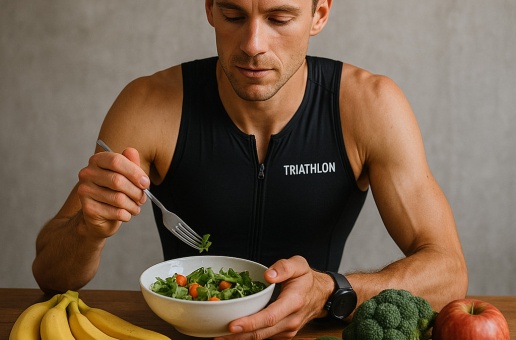 Crédit Image: AI Generated
Introduction
As endurance athletes, particularly triathletes, we constantly seek ways to enhance our performance through rigorous training, strategic recovery, and smart nutrition choices. One nutrition approach that has gained popularity is the minimalist diet. This guide explores how adopting a minimalist diet can elevate your endurance levels and optimize your triathlon performance.
What is a Minimalist Diet?
A minimalist diet emphasizes whole, unprocessed foods that are simple and nutrient-dense. The focus is on reducing the complexity of food choices while maximizing nutritional benefits. This approach can help triathletes streamline their nutrition, fueling their bodies with the essentials needed for high-level performance without the clutter of unnecessary ingredients.
The Benefits of a Minimalist Diet for Triathletes
- Improved Energy Levels: By consuming nutrient-rich foods that are easy to digest, athletes can ensure they have sustained energy throughout training and racing.
- Enhanced Recovery: A focus on anti-inflammatory foods can promote quicker recovery times, allowing for more effective training cycles.
- Time Efficiency: Simplifying meal prep and grocery shopping saves valuable time needed for training and recovery.
- Better Digestive Health: Whole foods are typically easier on the digestive system, reducing gastrointestinal issues that some athletes face during training or races.
Key Components of a Minimalist Diet
1. Focus on Whole Foods
Whole foods, such as vegetables, fruits, whole grains, lean meats, fish, beans, and legumes, are foundational in a minimalist diet. They provide the essential nutrients your body needs. For example, leafy greens like spinach and kale are powerhouses of vitamins and antioxidants.
2. Limit Processed Foods
Processed foods often contain additives, sugars, and unhealthy fats that can undermine athletic performance and recovery. Choosing fresh, unprocessed items will help keep your diet clean and focused on performance optimization.
3. Cater to Your Macros
Understanding and choosing the right macronutrient balance tailored to your training regimen is crucial. Aim for a combination of carbohydrates, proteins, and healthy fats:
- Carbohydrates: Whole grains, sweet potatoes, and fruits should be your primary energy sources. The recommended carbohydrate intake for endurance athletes is roughly 60-70% of total calories during peak training periods.
- Proteins: Lean sources like chicken, fish, eggs, and plant-based proteins are vital for muscle repair and recovery. Aim for around 1.2-2.0 grams of protein per kilogram of body weight, depending on training intensity.
- Fats: Healthy fats from nuts, seeds, avocado, and olive oil provide essential fatty acids and help absorb fat-soluble vitamins.
4. Stay Hydrated
By drinking water and electrolyte-rich fluids derived from whole foods (like fruits and broths), you can maintain optimal hydration levels. For example, coconut water serves as a natural electrolyte drink post-training.
Sample Minimalist Diet Plan for Triathletes
Here’s a simple daily meal plan that reflects a minimalist approach while providing the necessary sustenance for triathlon training:
- Breakfast: Oatmeal topped with bananas, walnuts, and a dash of cinnamon.
- Mid-Morning Snack: Greek yogurt with a handful of berries.
- Lunch: Grilled chicken salad with mixed greens, cherry tomatoes, cucumber, and olive oil vinaigrette.
- Afternoon Snack: Hummus with carrot and celery sticks.
- Dinner: Quinoa with steamed broccoli, salmon, and a squeeze of lemon.
- Evening Snack: An apple or a small handful of almonds.
Implementing a Minimalist Diet in Your Training Routine
To effectively integrate a minimalist diet into your triathlon training plan, consider these steps:
- Meal Prep: Set aside time each week to prepare meals in bulk. This reduces stress during busy training weeks and ensures you have easy access to nutritious food.
- Listen to Your Body: Pay attention to how different foods impact your performance and recovery. Every athlete is different, so find what works best for you.
- Plan for Race Day: Develop a nutrition plan that aligns with your minimalist diet principles. Ensure you have easily digestible, whole-food options for use during the race.
Common Challenges and Solutions
1. Boredom with Food Choices
Eating a limited variety of foods may lead to monotony. To combat this, experiment with different herbs and spices to add flavor or try new recipes that incorporate similar whole-food components.
2. Nutrient Deficiencies
While focusing on whole foods, it's essential to ensure you're getting a wide range of nutrients. Consider working with a dietitian who specializes in sports nutrition to fine-tune your meal plan.
3. Social Situations
Balancing a minimalist diet while dining out or attending events can be tricky. Prioritize making smart menu choices and bring your own snacks when possible to stay on track.
Conclusion
Embracing a minimalist diet as a triathlete can enhance your endurance, simplify meal preparation, and ultimately optimize your performance. By focusing on whole foods, limiting processed ingredients, and catering to your nutrition needs, you can ensure you fuel your body effectively for training and racing. Start gradually by integrating these principles into your routine and enjoy how they benefit your endurance experience.
🧠 FAQ - Minimalist Diet in Triathlon
❓ What are the main benefits of a minimalist diet for endurance athletes?
The main benefits include improved energy levels, enhanced recovery, time efficiency in meal prep, and better digestive health.
❓ How can I ensure I’m getting all necessary nutrients on a minimalist diet?
Focus on a variety of whole foods, including fruits, vegetables, lean proteins, and whole grains. Consider consulting a nutritionist for personalized guidance.
❓ Is a minimalist diet suitable for all triathletes?
While many may benefit from a minimalist diet, individual preferences and nutritional needs should guide the final approach. It’s wise to experiment and adjust as necessary.
❓ Can I maintain a minimalist diet while training for a full Ironman?
Yes, a minimalist diet can be maintained with proper planning. Ensure you get enough calories and focus on nutrient-dense foods to support extensive training.
❓ How do I deal with meal snacking during training?
Opt for simple, whole-food snacks, such as fruit or nuts, which are easy to prepare and digest during training sessions.
❓ Are there specific recipes suitable for a minimalist diet?
Absolutely! Simple recipes such as grain bowls, salads, and smoothies can be tailored to fit a minimalist diet while providing the necessary nutrients.